BUY
BUY
Publisher: GALAXIA GUTENBERG
Year of publication: 2021
ISBN: 978-84-18807-48-0
Language: Spanish
Pages: 496
Binding: Hardcover
Height: 220cm
Width: 145cm
Collection: Fiction
The nomadic impulse
Galaxia Gutenberg, 2021
"One day I'll be gone and you'll never see me again." As a child, I would utter these words as if by dint of repeating them I could rise above the narrow valley. Thanks to atlases, geography books, and maps, I could isolate myself from the gray world around me and travel without ever leaving my room. I didn't know then that, like the insects that fascinated me, one day I would break free from the silken prison that held me captive, spread my wings, and fly away, following the nomadic impulse that had germinated within me and that would be shattered the night the Egyptian secret police burst into my room at the Oasis, putting an end to my dream.
Jordi Esteva is undoubtedly one of the most outstanding travel writers in Spanish literature. With *The Nomadic Impulse*, he offers us the keys to understanding the intimate reasons for travel, for movement, for the inescapable need to leave.
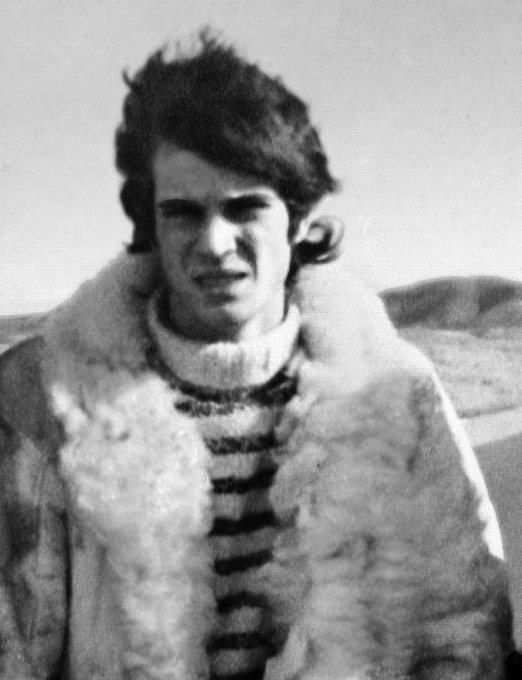
A memoir-like book, *The Nomadic Impulse* recounts the author's childhood and adolescence, during which, driven by the aridity of the Franco years, his curiosity for the different and his fascination with the distant awakened. "One day I'll leave, and you won't see me anymore," he would say as a child, time and again, while engrossed in geography books, atlases, and The maps.
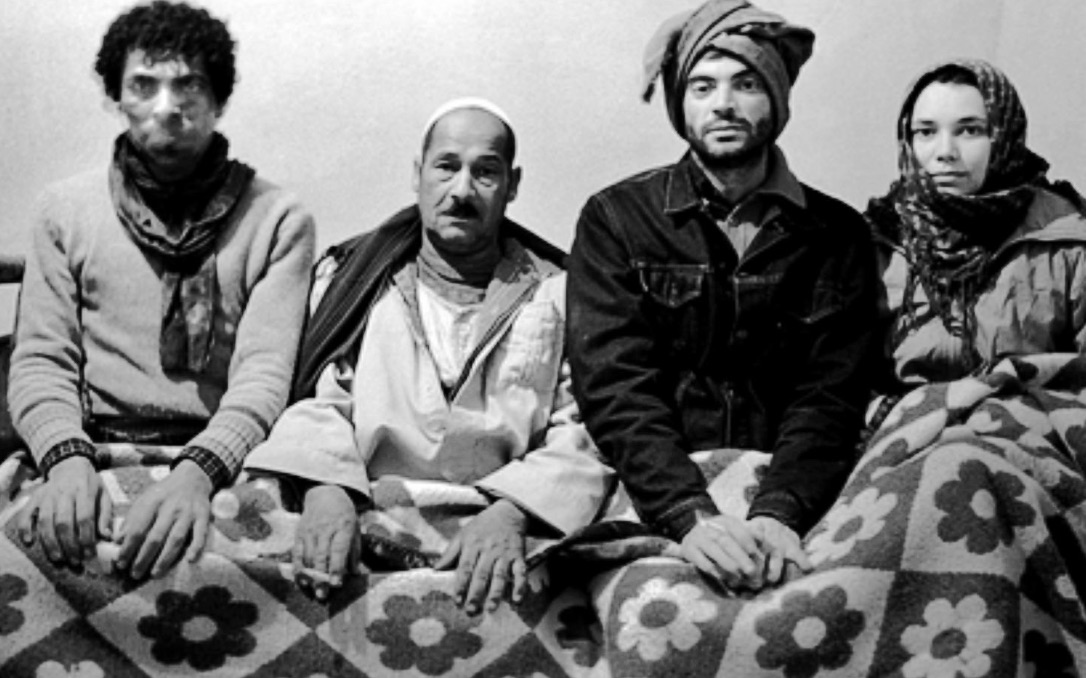
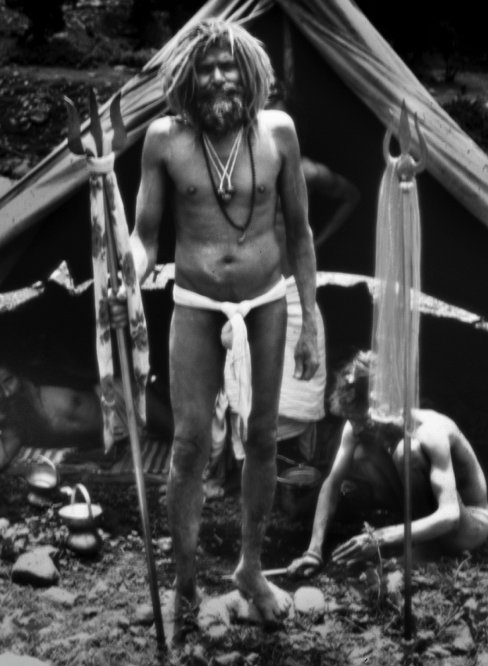
Later, the book delves into the discovery of his homosexuality and describes the Barcelona underground scene of the 1970s, a time of great creativity yet marked by the destructive power of drugs. It recounts his first trips to Sudan and India, and especially his five-year stay in Egypt, a country where Jordi Esteva became integrated into intellectual and artistic circles, inevitably becoming involved in politics, until threats from the Egyptian secret police, including periods of imprisonment, forced him to leave the country.
The nomadic dream had been shattered, the possibility of living in Egypt and being part of a different world. And the Barcelona to which Esteva returned was already gripped by disillusionment as the city headed toward post-Olympic speculation and tourist trivialization, while AIDS ravaged his friends.
All of this, in the words of Jacinto Antón in El País, makes for “exciting and moving memoirs.” in which Jordi Esteva candidly reviews his life, his extraordinary travels, his sexuality, and his dreams.”